ADCB: One design language
How conversational should a bank actually be?
- Client
- ADCB
- Role
- Product StrategyProduct DesignDesign SystemsUX Research
- Sector
- Banking & Financial Services
- Engagement
- Embedded design leadership8 months
- Delivered
- Delivered by Rai's founders, while at ADCB · 2025–2026
How might one app serve conventional, Islamic and private banking without feeling like three different banks?
The problem.
ADCB's app did its job. But it had grown one feature at a time, each solving its own narrow problem, and it showed. Nothing quite matched. If you held both a conventional and an Islamic account, it felt like banking with two different banks.
Each product had grown its own components, patterns and terminology. The inconsistency wasn't a styling problem, it was structural: there was no shared language for the three products to draw from.
How might we bring three banking products into one design language without flattening what makes each one distinct?
What we learned.
ADCB's customers span two different relationships with banking.
So whatThey range from people who learned banking at a branch counter to people who have never set foot in one. Any redesign had to work for both, not just the app-native.
A conversational-only interface would cost the wrong customers.
So whatIf you make the branch-counter customer work out how to ask a chatbot for their balance, you lose them. The assistant could support the experience, but it couldn't be the front door.
The products needed to share structure, not identity.
So whatSharing helps the customer where the products behave the same, and hurts where they genuinely differ. The design language needed shared components with room for each product's own identity and terminology.
The call.
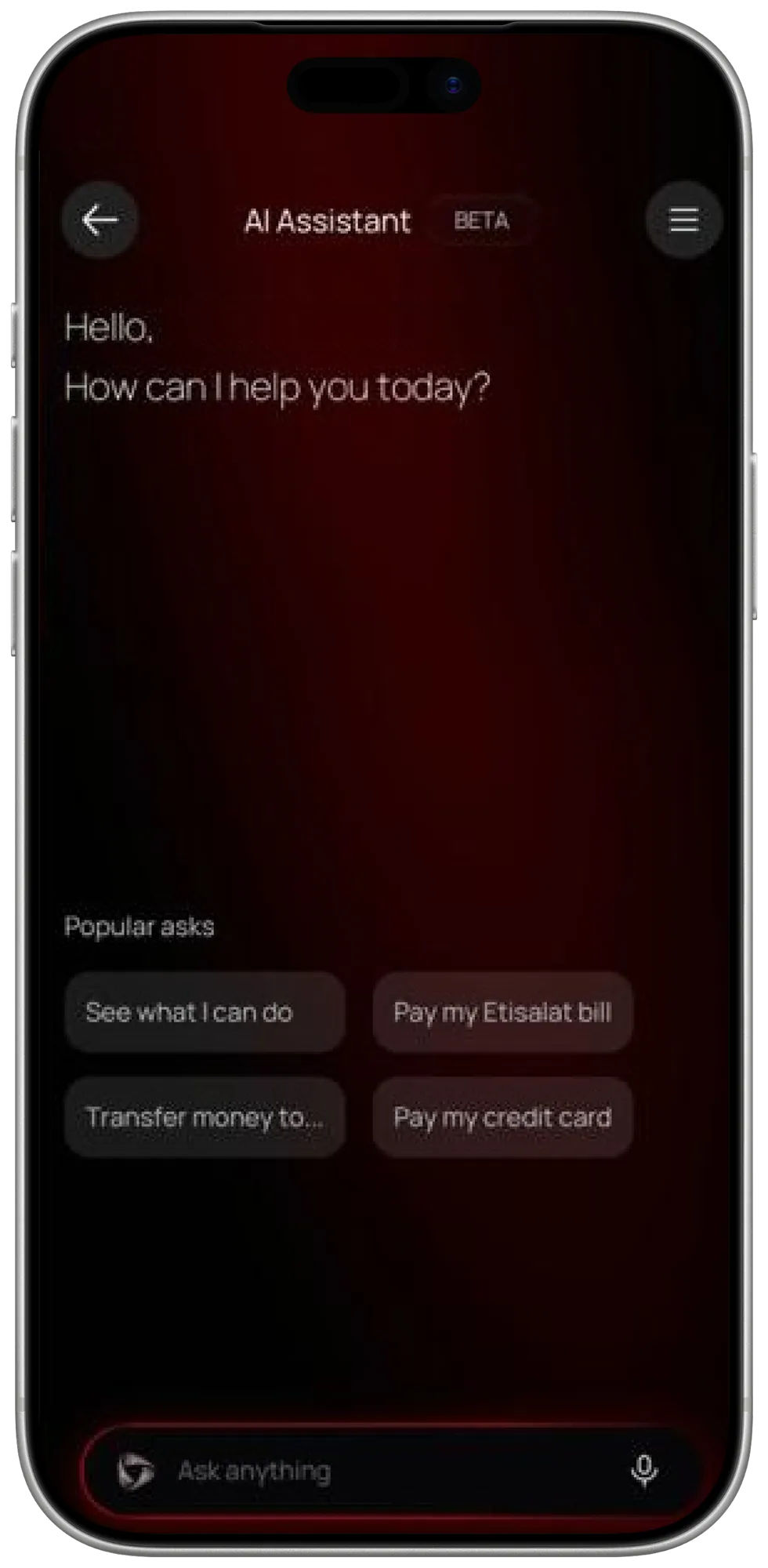
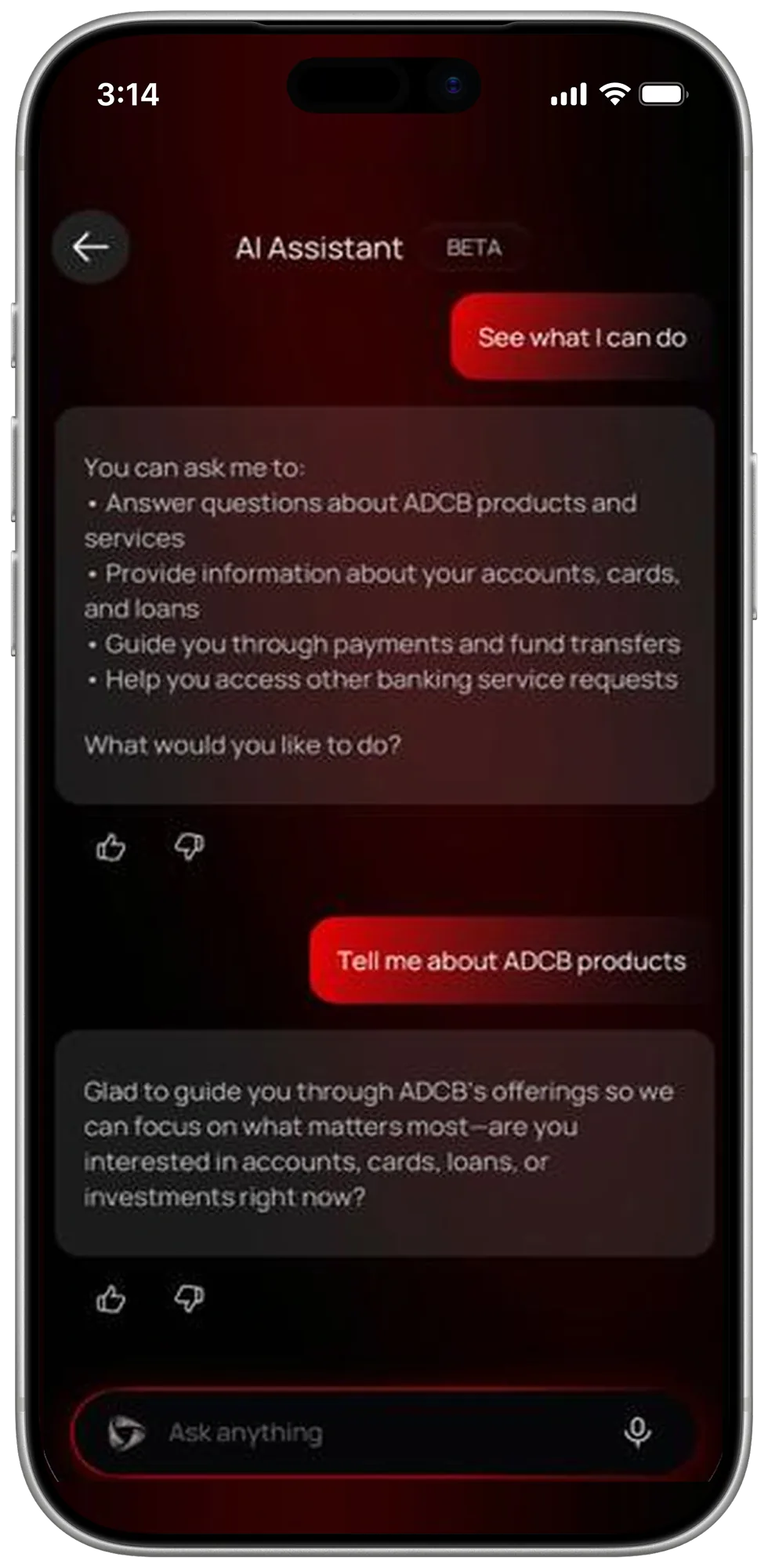
Rebuild around a conversational assistant
Tear down the existing navigation and rebuild the whole app around conversation. The harder question was not whether it would work, but who it would work for.
One design language, guided not replaced
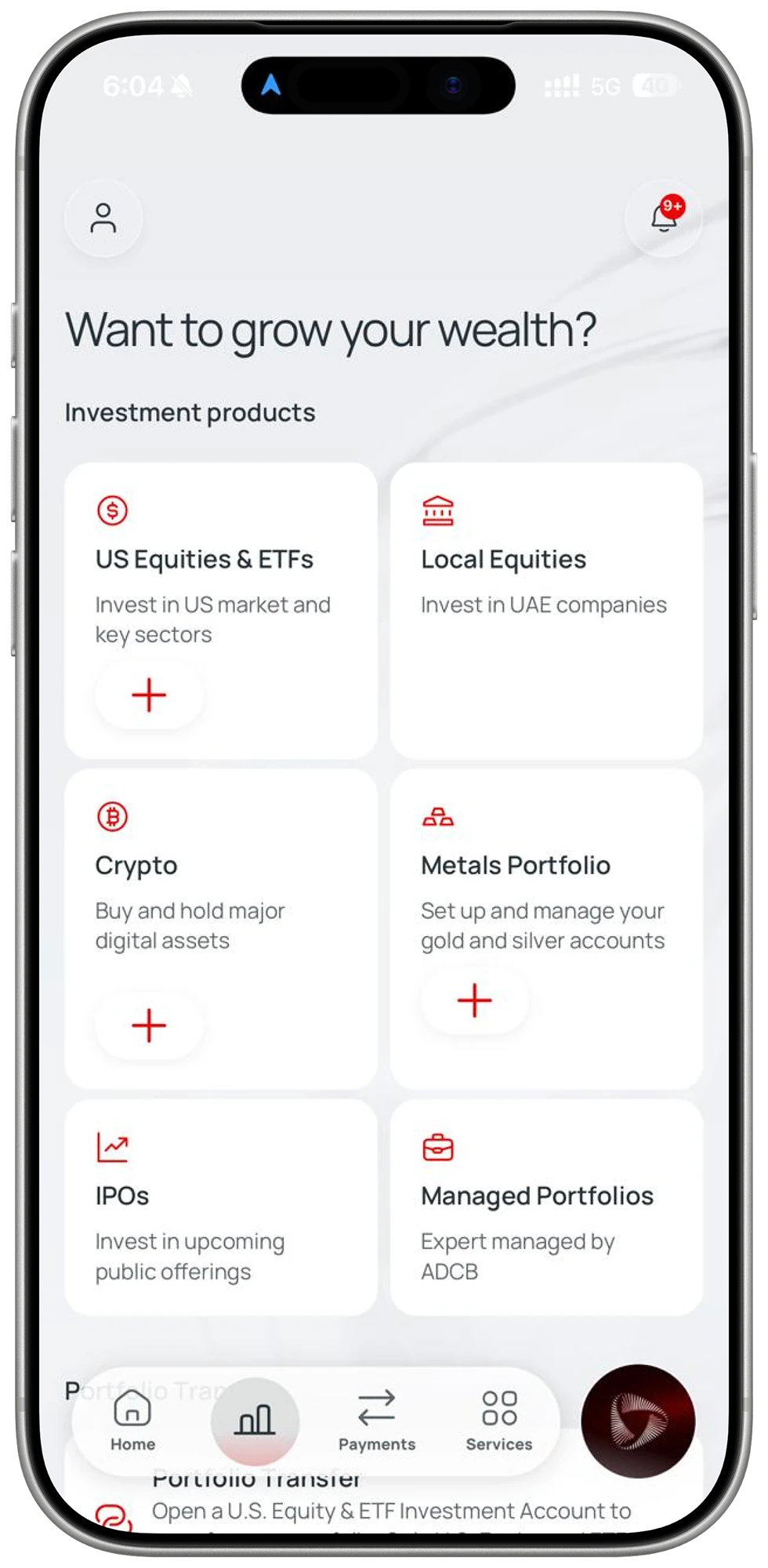
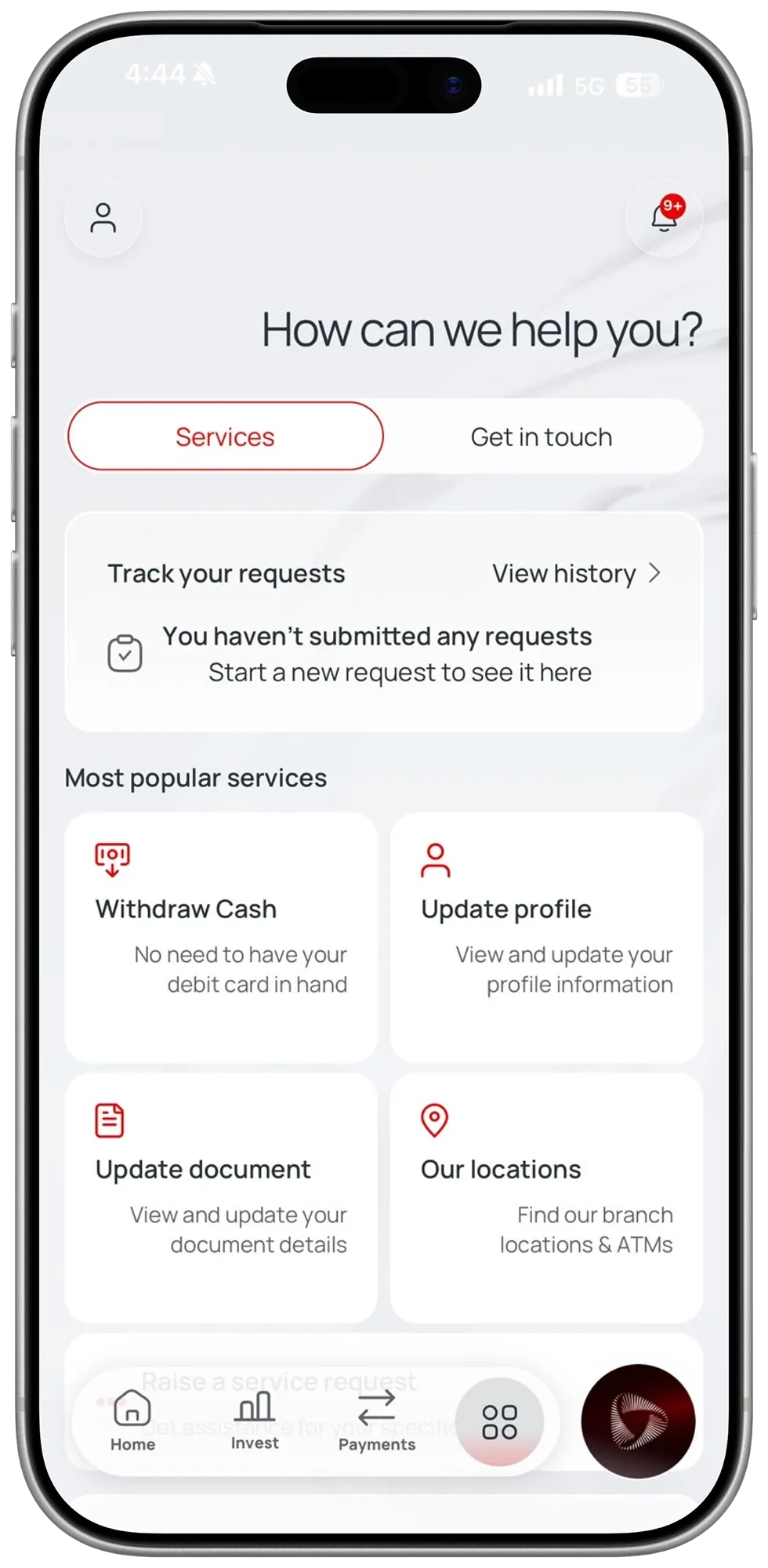
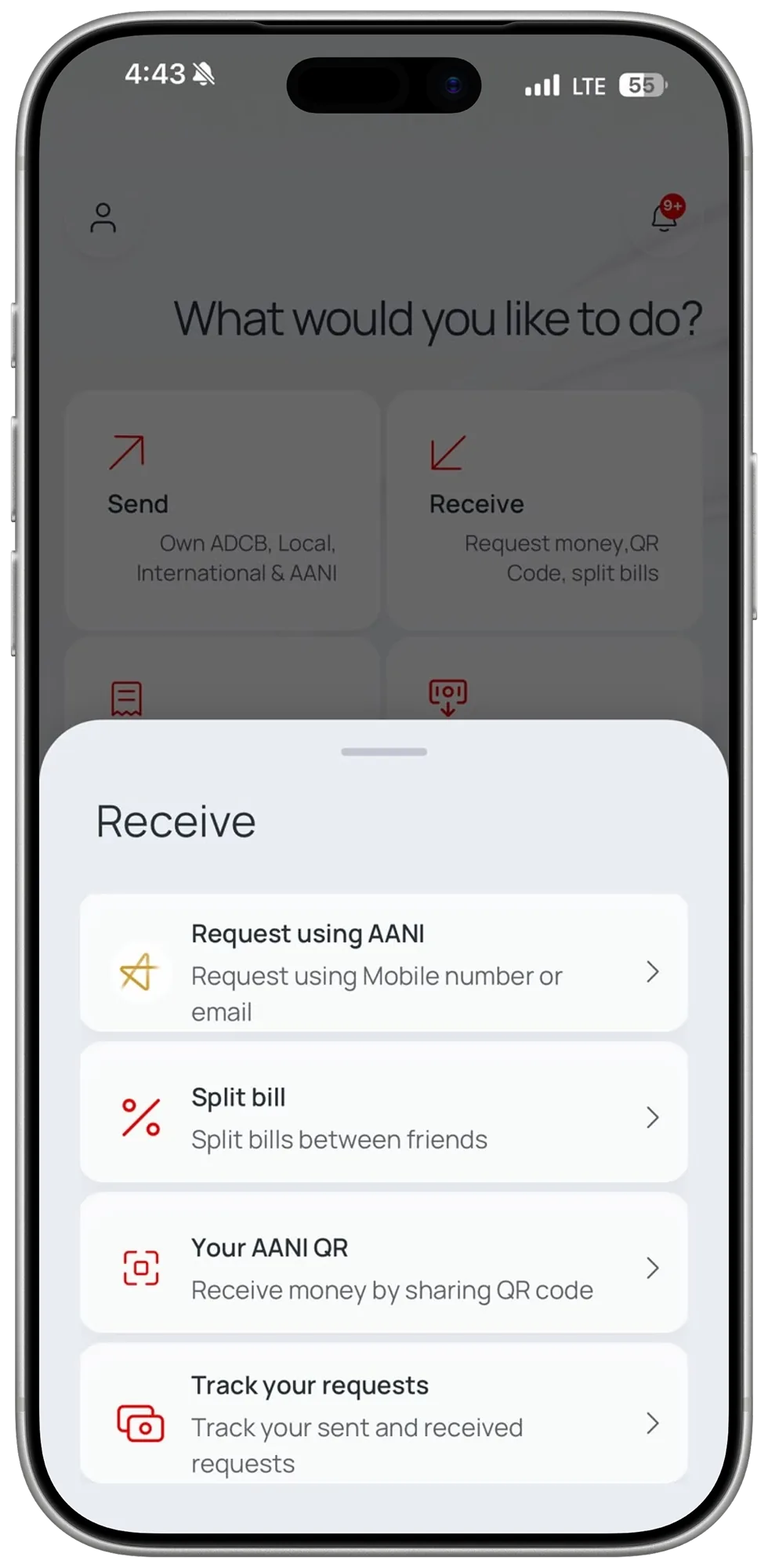
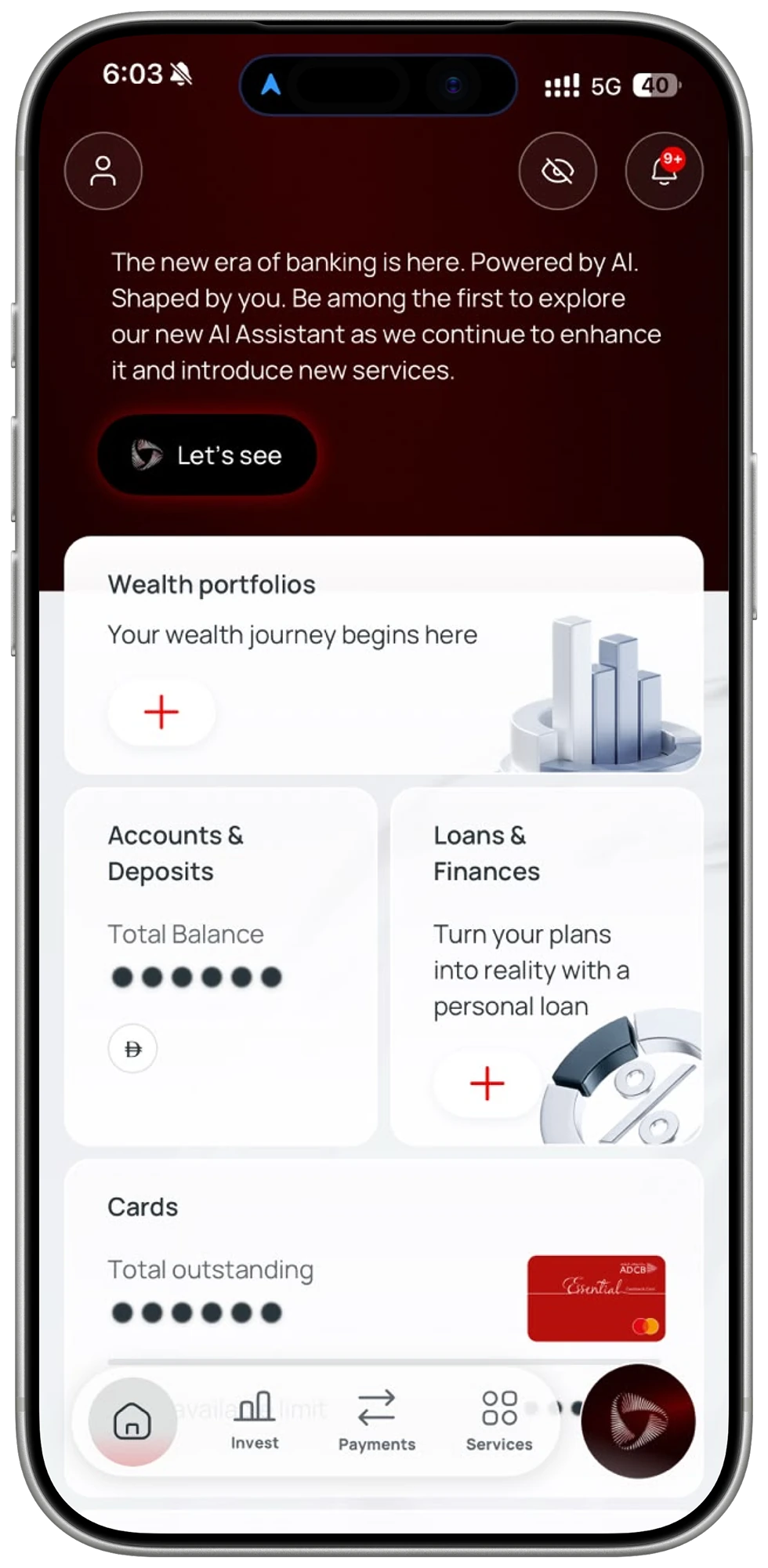
Keep the navigation people already knew, introduce the conversational layer alongside it, and rebuild the three products on shared components and shared logic.
The customer base made the risk concrete: a conversational front door works for people who have never set foot in a branch, and loses the people who have. This kept the navigation both groups trusted, and let the design language fix the actual problem, three products that didn't match.
What shipped.
The impact.
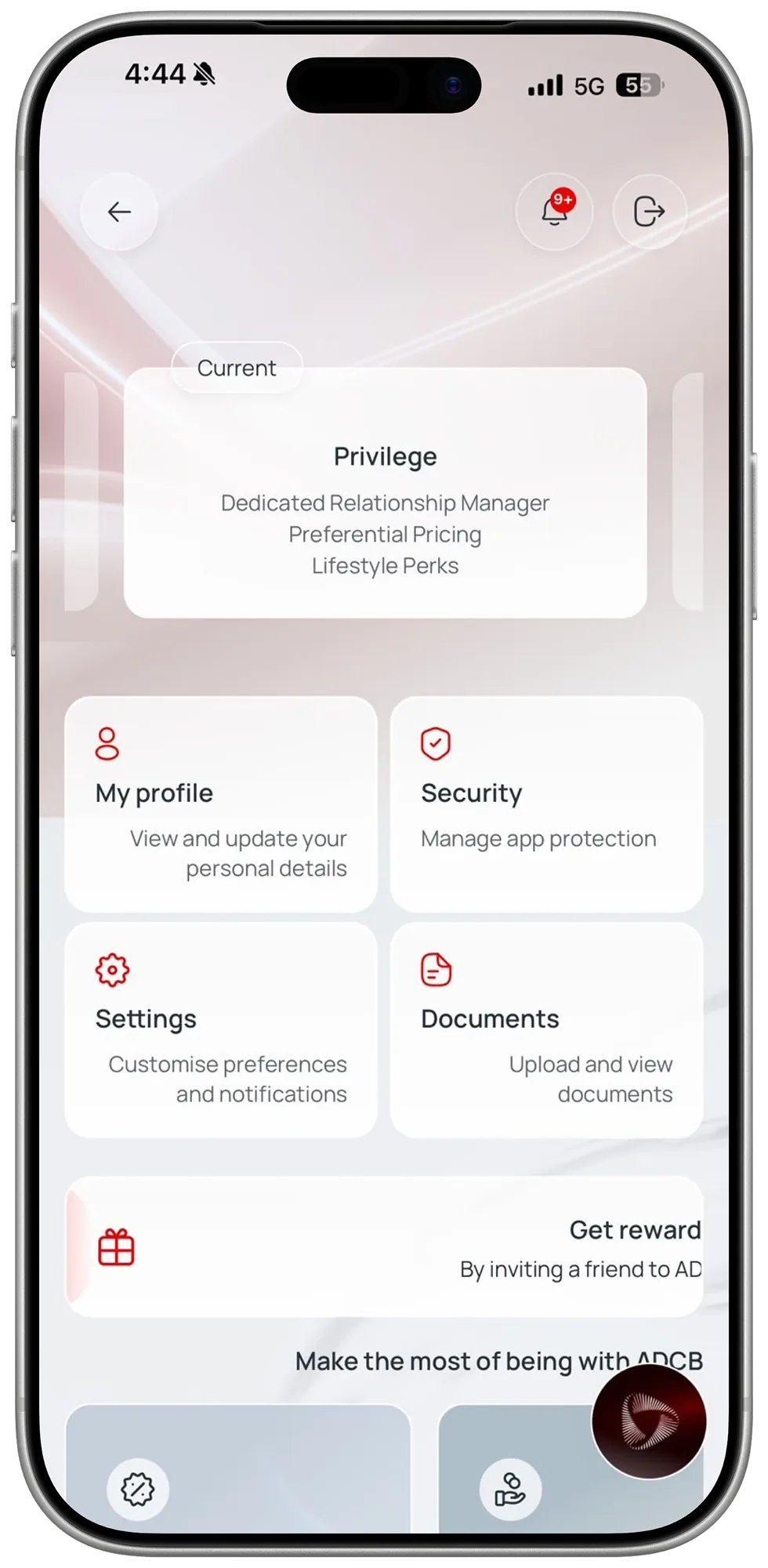
The design language shipped and is in the app today, across all three products. When ADCB launched its next generation app in May 2026, the conversational assistant was in it, but as a supporting layer rather than the way the app works. That was the change our findings argued for.
- 3 products under one design language
- 8 mo from discovery to shipped
- 1 unified design language: shared components, shared logic
Sometimes the most valuable work is figuring out what not to build.
Property Finder: Rebuilding search, app to web
Rebuilt search around decisions, not placements. +1.8pp conversion, proven on app and web.